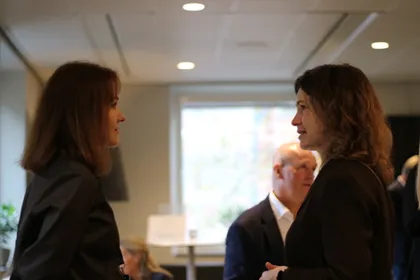
A set of recent S1 surgeries at Hannover Medical School mark the growing regional 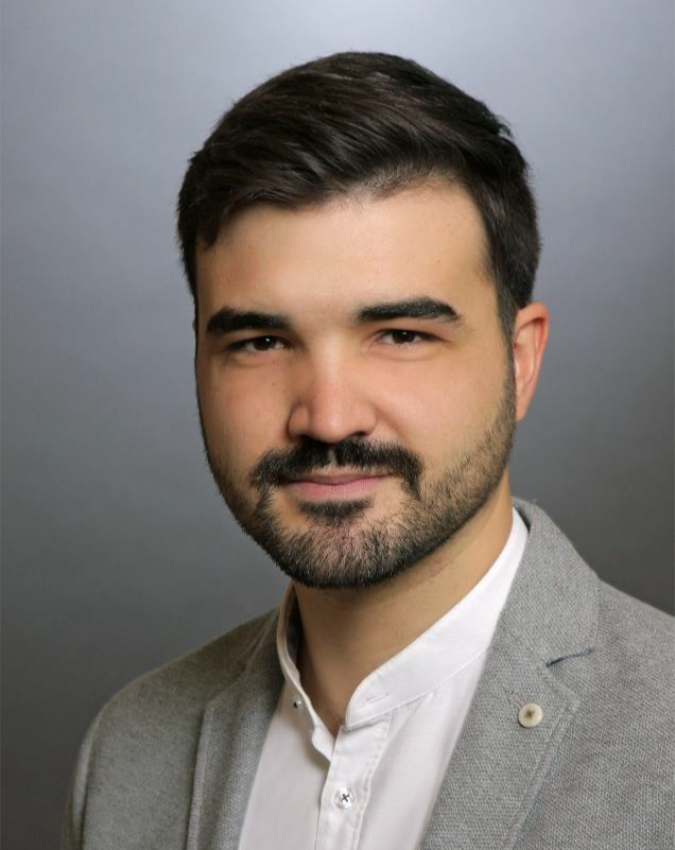 footprint of Integrum and OPRA Implant System and signal a rising appetite for osseointegration in the DACH region – including, Germany, Austria and Switzerland. The company anticipates more activity in the coming period and to lead this acceleration, Jorge Pardo Sánchez (image) joined Integrum. Jorge is a certified prosthetist and orthotist by training who brings deep clinical fluency to the commercial role.
How do the recent surgeries in Hannover reflect the current state of prosthetics care in the DACH region?
The recent S1 surgeries reflect a growing acceptance of osseointegration as a treatment option for selected prosthetic patients in the DACH region. We are seeing increasing interest from surgeons and multidisciplinary teams as clinical experience and evidence continue to grow. At the same time, socket prostheses remain the standard of care and are still the default solution for most reimbursement pathways. As awareness and clinical experience with the OPRA System continue to develop, we expect access to broaden over time. Currently, workers' compensation insurers (Berufsgenossenschaften, or BGs) are among the most frequent providers of reimbursement for this type of treatment.
What’s the main difference between the German and the American health care system that Integrum must consider when commercializing OPRA?
I believe the markets are more similar than different. Now if I had to choose, I would say it is how healthcare is funded and how new treatments are adopted. In Germany, reimbursement decisions are typically made within a structured healthcare system, and demonstrating long-term clinical benefit and cost-effectiveness is essential for broader adoption. In the U.S., the reimbursement landscape is more fragmented, involving multiple public and private payers, which can lead to different pathways for patient access. For Integrum, this means that commercializing the OPRA System requires a country-specific approach. While the clinical value remains the same, the way healthcare professionals, payers, and patients engage with new treatment options differs between the two systems.
What’s next for Integrum in Germany, Austria and Switzerland?
Our focus in Germany, Austria, and Switzerland is to continue supporting the responsible adoption of the OPRA System by working closely with surgeons, CPOs, and the broader clinical community. As the number of procedures and the body of clinical experience continue to grow, we hope to establish the OPRA System as a well-recognized treatment option for appropriately selected patients. Looking ahead, broader reimbursement will be an important factor in expanding patient access. As more clinical evidence and real-world experience become available, we hope to see increasing opportunities for eligible patients to benefit from this treatment.
What’s your professional background and what led you to Integrum?
I hold a university degree in orthobionics as well as a German Meister qualification in Orthopedic Technology. Over the past five years, I've worked at a medical supply center, where I specialized in gait analysis to help optimize the quality of orthotic and prosthetic care for patients. Throughout my career, I've been passionate about improving patient outcomes through innovative prosthetic solutions. That interest naturally led me to Integrum, whose work in osseointegration and commitment to advancing prosthetic care aligned closely with my professional goals.
How do you support CPOs, and other health care professionals, in your role?
In my role, I act as a bridge between certified prosthetist and orthotist (CPOs), surgeons, and Integrum, helping to ensure clear communication and close collaboration throughout the treatment process. There are two key aspects to this. First, being able to communicate with German CPOs in their native language helps reduce communication barriers and facilitates clinical discussions. Second, given my professional background, I understand German CPOs work, allowing me to provide practical guidance and facilitate effective collaboration between all parties involved.